
Signs Your Senior Dog Needs Extra Care — and What to Do
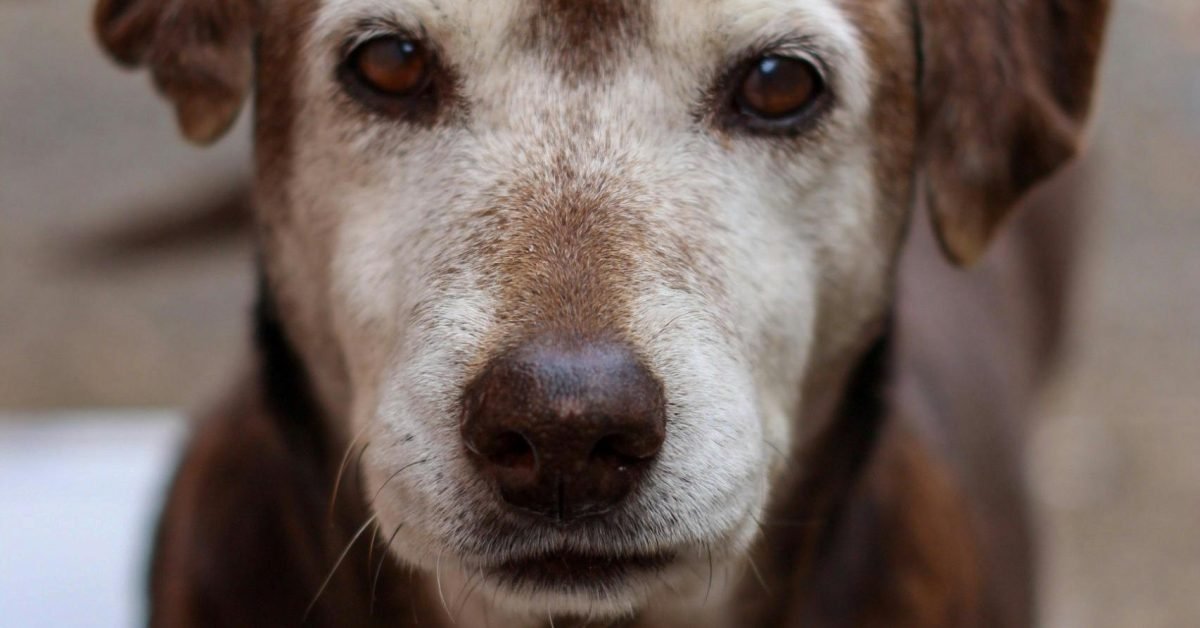
Sugar turned 15 this year. Fifteen. She moves slower, sleeps more, and has opinions about cold floors that she definitely didn't used to have. Watching a dog age is one of the most bittersweet experiences in the world — and it comes with a real responsibility to pay closer attention than you ever have before.
Senior dogs — generally 7 and older for large breeds, 9 and older for small breeds — go through changes that are easy to attribute to "just getting old" when they actually warrant attention. Here's what to watch for and what to do about it.
Slowing Down More Than Usual
Some slowing is normal with age. But if your senior dog is reluctant to take stairs they used to handle easily, struggles to get up from lying down, lags behind on walks they used to lead, or seems stiff especially after rest — that's arthritis until proven otherwise.
Arthritis is extremely common in older dogs and is frequently undertreated because owners assume nothing can be done. That's not true. There are prescription anti-inflammatory medications, joint supplements, laser therapy, and lifestyle modifications that can make a significant difference in comfort and mobility. Please don't skip the vet visit because you assume they'll just say "it's age."
Changes in Eating or Drinking
Increased water intake in a senior dog is one of the first signs of kidney disease, diabetes, or Cushing's disease — all of which are common in older dogs and all of which are manageable if caught early. Decreased appetite can signal dental pain, nausea from organ dysfunction, or other underlying issues.
I keep a loose mental note of how much Sugar drinks. I know her normal. If it shifts significantly, that's a vet call.
Cognitive Changes
Canine cognitive dysfunction — sometimes called dog dementia — is real and more common than people realize. Signs include staring at walls, getting "stuck" in corners, forgetting house training, disrupted sleep cycles, seeming confused or lost in familiar spaces, and decreased recognition of family members.
This is heartbreaking to watch but there are medications and supplements that can slow progression and improve quality of life. The sooner it's identified, the more effective the intervention.
Changes in the Skin, Coat, or Lumps
Senior dogs develop lumps. Most are lipomas — benign fatty tumors that are common and harmless. But not all lumps are benign, and you can't tell from the outside which is which. Get in the habit of running your hands over your senior dog regularly. If you find anything new, have it checked. The rule I always used: new lump, vet visit.
What Senior Dogs Actually Need
Twice-yearly vet visits instead of annual. Regular blood work to catch kidney, liver, and thyroid changes early. Soft, orthopedic bedding for joint support. Ramps or steps to help reach furniture or the car. Shorter, more frequent walks rather than long ones. And a lot of patience with the new pace of things.
Senior dogs have given you everything. This is the season to give it back.
Use our Dog Age Calculator to find out your dog's life stage and get personalized health tips based on their age and size.
Disclaimer: I'm a former veterinary technician, not a veterinarian. If you're noticing changes in your senior dog, please schedule a vet visit — early detection makes a real difference.
Find out your dog's life stage with our free calculator.
Try the Dog Age Calculator →