
7 Things I Learned About Dog Health After Years as a Military Vet Tech
I didn't grow up around animals. Not even close. So it surprises people when I tell them I spent nearly a decade as a military veterinary technician — caring for military working dogs, government horses, shelter animals, and the family pets of service members stationed at bases across the country. I discovered a love for animals I didn't know I had, and it changed everything. Here's what I want every dog owner to know.
A Little Background
From 1998 to 2007 I served as a military veterinary technician, working in clinics at various duty posts. Over those years I assisted in surgeries, performed dental cleanings, took X-rays, drew blood, administered vaccinations, triaged emergencies, and cared for strays at an animal shelter that fell under our clinic's responsibility. I worked with military working dogs — some of the most highly trained and well-cared-for dogs in the world — and at one point managed the second largest military working dog facility in the nation.
When I completed my service I finally got dogs of my own. I have four now — one I chose and three I rescued. Everything I learned in nearly a decade of professional veterinary care shapes how I look after them every single day.
These are the things I wish I could tell every dog owner who walks through a clinic door.
1. Heartworm Prevention Is Non-Negotiable — and the Number One Mistake I Saw
If I had to name the single most common and most preventable problem I saw over and over during my time as a vet tech, it's this: dogs testing heartworm positive because their owners let the prevention lapse.
Heartworm disease is spread by mosquitoes. It's present in all 50 states. And it's entirely preventable with a monthly medication that costs a fraction of what treatment does. Here's what treatment looks like when prevention fails: it involves a series of deep muscle injections of a drug called melarsomine, strict exercise restriction for months, significant expense, and real risk to your dog's life. I watched owners face that reality regularly — the guilt, the expense, the worry — when a simple monthly pill would have prevented all of it.
Keep your dog on heartworm prevention every single month, year-round. Set a phone reminder if you need to. It is the easiest and most important thing you can do.
2. Military Working Dogs Taught Me What Optimal Health Actually Looks Like
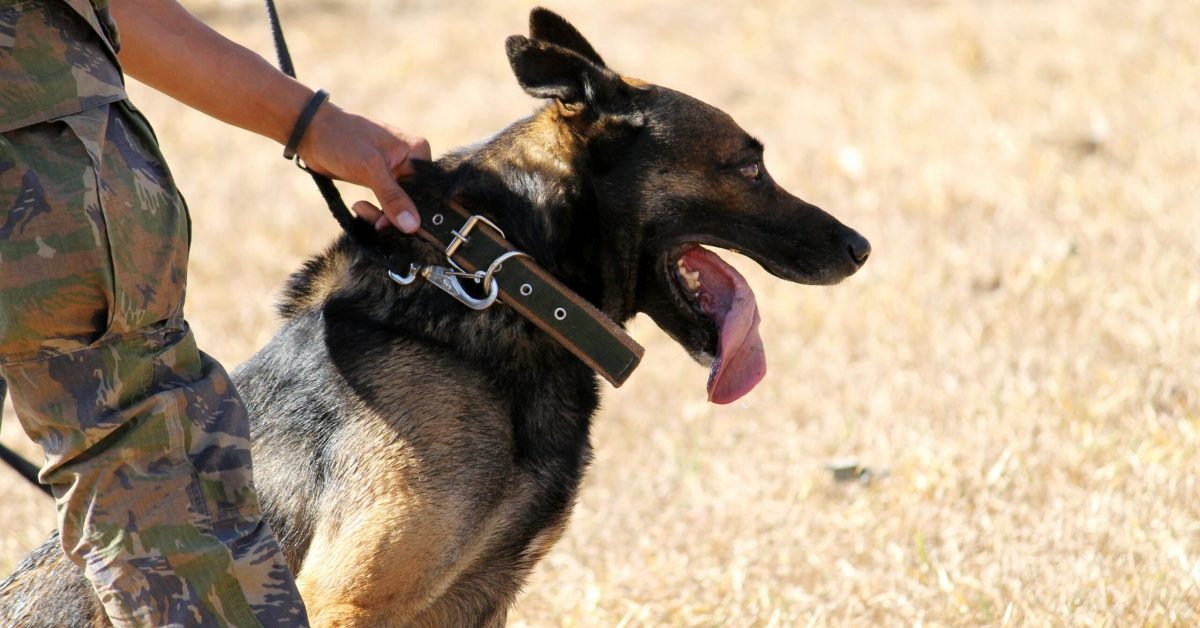
Working with military working dogs gave me a baseline that civilian pet owners rarely see. These dogs — mostly Belgian Malinois and German Shepherds — were maintained at peak physical condition. Ideal weight, perfect dental health, up-to-date on everything, exercised rigorously daily, and monitored constantly for any change in behavior or performance.
The contrast when I moved between working dog care and pet care in the same clinic was striking. Not because pet owners don't love their dogs — they absolutely do — but because the systems that ensure consistent care aren't always in place. A schedule, a checklist, a routine. That's what made the difference. It's what I try to replicate at home with my own four dogs.
3. Dental Disease Is Everywhere and Almost Nobody Talks About It
I performed a lot of dental cleanings during my time as a vet tech. And I saw what teeth look like when they haven't been properly cared for — infected roots, loose teeth, gum disease so advanced it was affecting the dog's ability to eat and causing systemic health problems.
Studies consistently show that by age 3, 80% of dogs have some form of dental disease. Bacteria from infected mouths enter the bloodstream and affect the heart, kidneys, and liver over time. And dogs almost never show obvious signs of tooth pain — they just quietly suffer and compensate.
Brush your dog's teeth. Get annual professional cleanings. Your vet can show you how to make tooth brushing part of your routine if you've never done it.
4. The Shelter Dogs Changed How I See Rescue
One of the clinics I worked at had an animal shelter under our responsibility. We cared for strays — dogs and cats that came in frightened, malnourished, injured, and deeply uncertain about humans. Bringing them back to health and watching them slowly begin to trust again was some of the most meaningful work I did in uniform.
It's part of why three of my four dogs are rescues. I know firsthand what those animals have been through and what they're capable of becoming with the right care. Rescue dogs aren't damaged goods — they're survivors who needed someone to show up for them. If you're considering adding a dog to your family, please consider giving a rescue dog a chance.
5. Bloodwork Tells You What You Can't See
One of the most valuable things we did in the clinic was routine bloodwork — especially for older patients. A dog can look perfectly fine on the outside and have early kidney disease, thyroid dysfunction, or liver issues that only show up in lab values. Catching these things early changes what's possible in terms of treatment and management.
Annual bloodwork for adult dogs and twice-yearly for seniors is one of the best investments in your dog's long-term health. It's not optional care — it's foundational preventive medicine.
6. I Didn't Get My Own Dogs Until After My Service — and That Was the Right Choice
Military life is demanding. Deployments, frequent moves, unpredictable hours — I knew that wasn't the right environment for a dog who needed stability. I loved animals professionally for nearly a decade before I had any of my own.
When I completed my service and finally brought home my first dog, I came equipped with everything I'd learned in the clinic. I knew what vaccinations were needed and when. I knew how to check for parasites, how to assess body condition, what early signs of illness looked like. My military veterinary training became my roadmap for being the kind of dog owner I'd always told other people to be.
It's one of the things I'm most grateful for — the work gave me the knowledge, and now I get to use that knowledge for my own furbabies every single day.
7. The Relationship Between You and Your Vet Matters
In the clinic, the best outcomes almost always involved owners who were engaged partners — people who asked questions, noticed changes, came in when something felt off, and followed through on recommendations. The owners who waited, who avoided the vet due to cost concerns without communicating that, or who assumed problems would resolve on their own — those were the cases where we often wished we'd seen the patient sooner.
Your veterinarian is your partner in your dog's health. Be honest with them about what you're able to manage financially. Ask questions when you don't understand something. Notice changes and report them. Show up for preventive care even when your dog seems perfectly fine. That relationship, built over years of consistent care, is one of the most valuable things your dog can have.
I spent nearly a decade on the other side of that exam table. I saw how much the engaged owners' dogs thrived compared to the ones whose owners only came in when things were bad. The difference was real and it was significant.
If your dog isn't current on heartworm prevention, call your vet today. If they haven't had a dental cleaning, schedule one. If they're overdue for bloodwork, make the appointment. Prevention is always cheaper — in money, in stress, and in heartbreak — than treatment.
Stay on top of everything your dog needs with our free care checklist.
Open the Dog Care Checklist →