
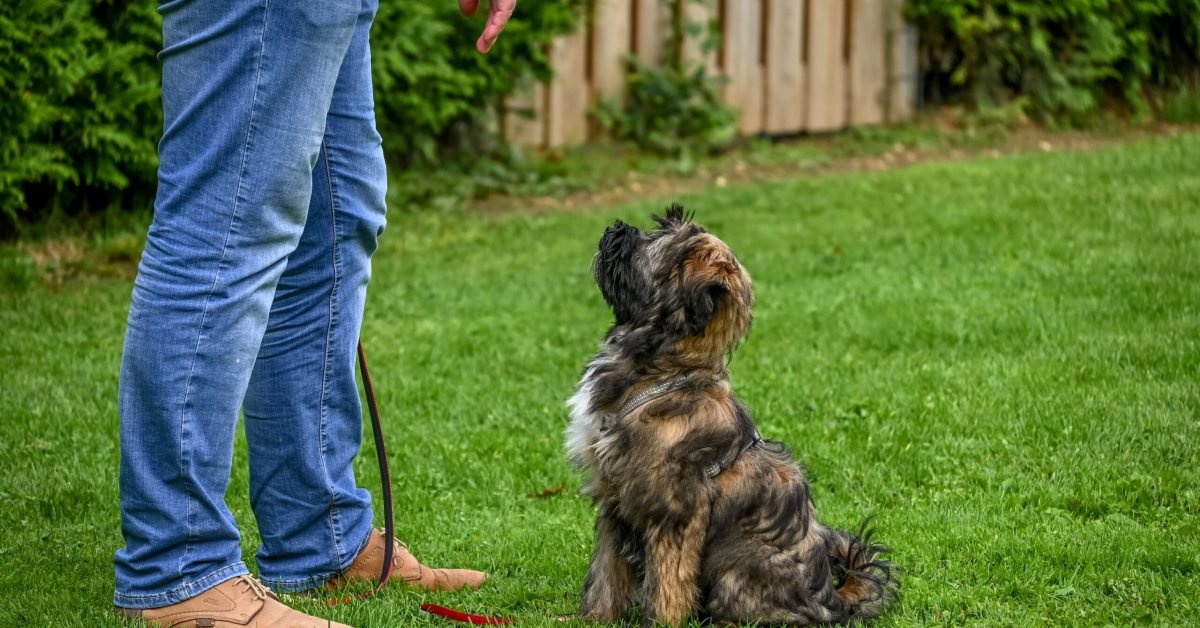
How to Teach Your Dog 5 Basic Commands in 5 Days
You do not need to be a professional trainer to teach your dog basic commands. You need consistency, patience, the right treats, and about 10 minutes a day. As a former military veterinary technician I worked alongside some of the most highly trained dogs in the world — and the foundation was always the same five commands. Here is how to teach them at home.
Before You Start — The Golden Rules
Before we get into the commands themselves, these principles will make everything work better regardless of your dog's age or breed.
- Keep sessions short. Five to ten minutes maximum per session. Dogs — especially puppies — have short attention spans. Multiple short sessions throughout the day work far better than one long one.
- Always end on a win. If your dog is struggling with a new command, go back to something they know and end the session there. You want them to finish feeling successful.
- Use high value treats. Regular kibble works for easy commands. For new or difficult behaviors use something special — small pieces of chicken, cheese, or commercial training treats.
- One word commands only. Say "sit" not "sit down" or "sit please." Dogs respond to sounds and clear single words are easiest to learn.
- Never punish a mistake. Simply reset and try again. Positive reinforcement works. Punishment creates anxiety and slows learning.
As early as 8 weeks old for puppies — in fact the earlier the better. Adult and senior dogs absolutely can learn new commands too. The old saying that you cannot teach an old dog new tricks is simply not true. It may take a little longer but it works.
The 5-Day Training Plan
Sit is the foundation command — the easiest to teach and the one everything else builds from.
- Get your dog's attention with a treat in your hand.
- Hold the treat close to their nose then slowly move it up and back over their head.
- As the treat moves back their bottom will naturally lower to the ground.
- The moment their bottom touches the floor — say "Sit" clearly and immediately give the treat and praise.
- Repeat 5-10 times per session.
Common mistake: Saying "sit" before the dog actually sits. Say the word at the exact moment the behavior happens — not before.
Down is slightly harder than sit because it puts the dog in a more vulnerable position. Be patient — some dogs take a little longer with this one.
- Ask your dog to Sit first using yesterday's command.
- Hold a treat at their nose then slowly move it straight down toward the floor between their front paws.
- As they follow the treat their elbows will lower to the ground.
- The moment their elbows touch — say "Down" and give the treat and praise.
- If they stand up instead of lowering — reset and try again more slowly.
Tip: Practice both Sit and Down in each session on Day 2 to reinforce Day 1 as well.
Stay is one of the most important safety commands your dog can learn. Take it slowly — always set your dog up to succeed by starting with very short durations.
- Ask your dog to Sit or Down.
- Open your palm toward them like a stop signal and say "Stay" in a calm firm voice.
- Wait just 2-3 seconds then give the treat and praise while they are still in position.
- Gradually increase the duration — 5 seconds, then 10, then 15.
- Also gradually increase your distance — one step back, then two, then three.
Important: If your dog breaks the stay — do not repeat "stay" multiple times. Reset calmly and try again with a shorter duration. Build success before adding more time.
Come — also called recall — is potentially the most important safety command your dog will ever learn. A reliable recall can literally save your dog's life.
- Start indoors with no distractions.
- Crouch down to your dog's level and say their name followed by "Come" in a happy excited voice.
- When they reach you — big reward, big praise. Make coming to you the best thing that ever happens to them.
- Never call your dog to you for something unpleasant — bath, nail trim, end of playtime. Go to them for those things instead. Coming to you should always be positive.
- Practice with a long training leash outdoors once they have the basics inside.
Golden rule: Never punish your dog when they come to you — even if they took forever or you are frustrated. If you punish the arrival you destroy the recall.
Leave it is the command that prevents your dog from picking up dangerous items, eating something toxic, or engaging with something they should not. It is a genuine safety command.
- Place a treat in your closed fist and let your dog sniff and lick at it.
- Say "Leave it" and wait. The moment they pull their nose away — even slightly — immediately reward them with a different treat from your other hand.
- The treat in the closed fist is the thing to leave. The reward always comes from somewhere else.
- Progress to placing the treat on the floor with your hand hovering over it ready to cover it.
- Eventually practice with the treat uncovered, then with items on the ground during walks.
Key principle: Leave it means "ignore that thing completely" not "drop what you have." For dropping items already in the mouth use "Drop it" as a separate command.
After the 5 Days
Completing one training session per command does not mean the command is learned permanently. Think of these five days as an introduction. Real reliability comes from consistent daily practice over weeks and months.
The goal is for these commands to work not just in your quiet living room but in the park, at the vet, around other dogs, and in stressful situations. That level of reliability takes time and gradual exposure to more distracting environments — but it starts exactly where you started on Day 1.
The most important thing is not how long you train but how consistently. Two minutes of practice every single day will produce better results than one 30-minute session per week. Make it part of your daily routine — before meals is a great time since your dog is motivated by food and you already have their attention.
Looking for more ways to keep your dog mentally stimulated?
Try the Free Dog Trick Randomizer →