
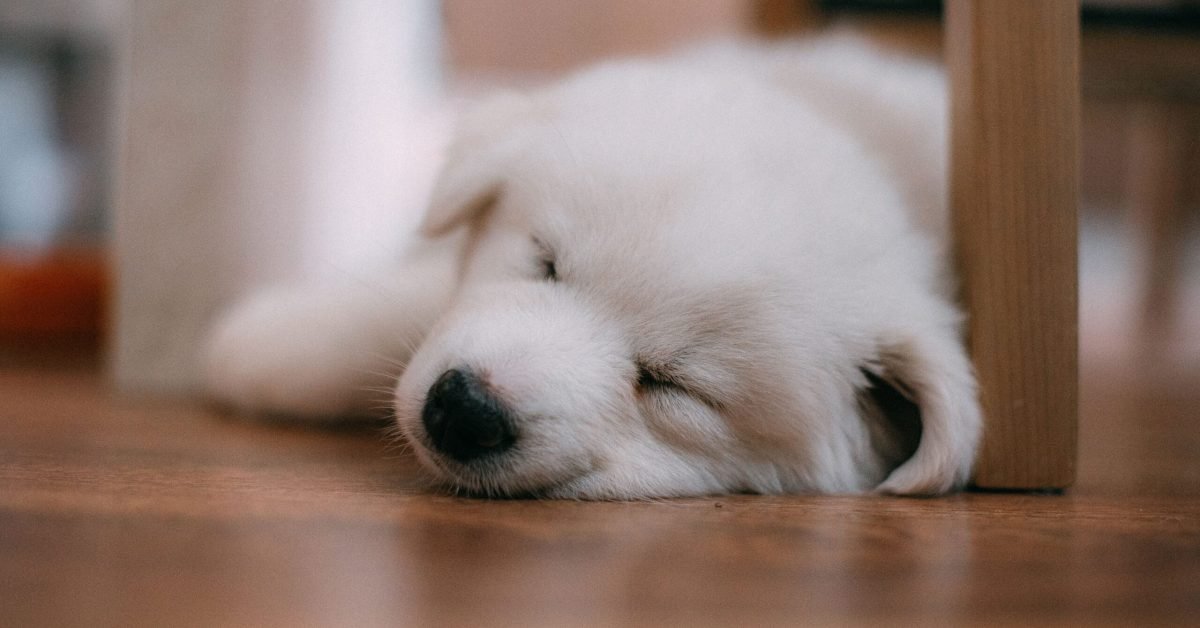
What Your Dog's Sleeping Position Says About Them
Your dog spends roughly 12 to 14 hours a day sleeping. And how they position themselves while they sleep tells you something real about how comfortable, safe and content they feel. As a former military veterinary technician I observed sleeping dogs in every possible position — here is what each one means.
Why Sleeping Positions Matter
Dogs choose their sleeping positions based on a combination of comfort, temperature regulation and emotional state. A dog who feels safe and completely relaxed sleeps very differently from one who is uncertain or anxious. Understanding what your dog's sleep position communicates helps you read their overall wellbeing — not just when they are awake.
Most dogs have a preferred position they return to consistently. You may also notice your dog changing positions throughout the night or napping in different ways depending on the temperature or how tired they are. Both are normal.
The 7 Common Dog Sleeping Positions
Your dog curls into a tight ball with their tail tucked around toward their nose and their paws tucked under their body. This is one of the most common sleep positions and one of the most instinctive — it comes directly from their wild ancestors who curled up to conserve body heat and protect vital organs while sleeping in the open. Dogs often sleep this way when they are cold, in an unfamiliar environment, or when they feel slightly uncertain. It is not a sign of distress — just self-protection instinct. If your dog always sleeps this way and never stretches out it may simply mean they tend to run cold or are a naturally cautious dog.
Your dog lies with their belly on the floor, front paws extended and their head resting on their paws. This position — sometimes called the sphinx position — is typically a light dozing sleep rather than a deep rest. Dogs often lie this way when they want to keep an eye on what is happening around them while still getting some rest. They can go from this position to standing quickly. You will often see dogs nap this way in busy rooms or when they are waiting for something — a walk, their owner to get up, or dinner time approaching.
Your dog lies fully on their side with their legs extended. This is one of the most vulnerable sleep positions because it exposes the belly and vital organs. Dogs only sleep this way when they feel completely safe and comfortable in their environment. Side sleeping typically indicates deep sleep — this is when you are most likely to see your dog dreaming, with paw twitches and eye movements. If your dog regularly sleeps on their side it is a good sign they feel secure and content in your home.
Your dog lies completely on their back with all four paws in the air and their belly fully exposed. This is the ultimate vulnerability position — the belly is the most unprotected part of a dog's body. A dog sleeping this way is communicating absolute trust and comfort in their environment. It also helps them cool down — the belly has less fur and the paws have sweat glands, so this position maximizes heat dissipation. If your dog sleeps belly-up regularly you have created an environment where they feel genuinely safe. That is something to be proud of.
Your dog lies flat on their belly with all four legs extended outward — front legs stretched ahead and back legs stretched behind. This position is especially common in puppies and high-energy dogs. It allows them to rest while keeping their muscles loosely engaged — meaning they can jump up quickly. You will often see this position after intense play when your dog is tired but does not want to fully commit to a deep sleep. It says: I am resting but do not even think about getting the leash without me.
Your dog falls asleep pressed against you, on your feet, curled against another pet, or with part of their body in contact with something familiar. This behavior comes from pack instinct — dogs in the wild would sleep in physical contact with their pack members for warmth and safety. When your dog chooses to sleep touching you they are placing you in their pack and drawing comfort from your presence. It is one of the clearest expressions of the bond between you.
Your dog digs under blankets, pillows or laundry to sleep. Some breeds — especially small dogs like Chihuahuas, Dachshunds and Terriers — are strongly drawn to burrowing due to their history as burrowing or den-dwelling hunters. Burrowing provides warmth, blocks out stimulation and gives a sense of enclosed security similar to a den. It is completely normal behavior. Just make sure your burrowing dog has enough air circulation and cannot become overheated under heavy blankets.
When to Pay Attention to Sleep Changes
A dog's preferred sleeping position is generally consistent. What matters from a health standpoint is when something changes. If your dog suddenly starts sleeping differently — especially if combined with changes in appetite, energy or mobility — it can indicate discomfort or health changes worth discussing with your vet.
Specifically watch for:
- A dog who used to sleep on their side suddenly only sleeping curled in a tight ball — may indicate pain or discomfort
- Difficulty lying down or getting up from sleep — common sign of joint pain in older dogs
- Sleeping in unusual locations like cold floors rather than their bed — may indicate they are running a fever and seeking cooler surfaces
- Significant increase in sleep duration — worth noting especially in younger dogs
These interpretations are general tendencies, not absolute rules. Some dogs sleep belly-up because they are simply built that way. Some dogs always curl up because they find it most comfortable regardless of how safe they feel. Know your dog's baseline and pay attention to changes rather than reading too much into any single position.
Want to understand your dog's behavior even better?
Read Our Dog Body Language Guide →